A wall rail that looks right in a finish photograph can still arrive with a missing fixing or a mounting plate that sits proud. Before releasing hotel hardware, a buyer needs to see what the installer will unpack, how the sample fits and what the carrier will collect. A documented inspection of 200 black rails shows what each check adds to the release decision.
Start where the installer starts: behind the base
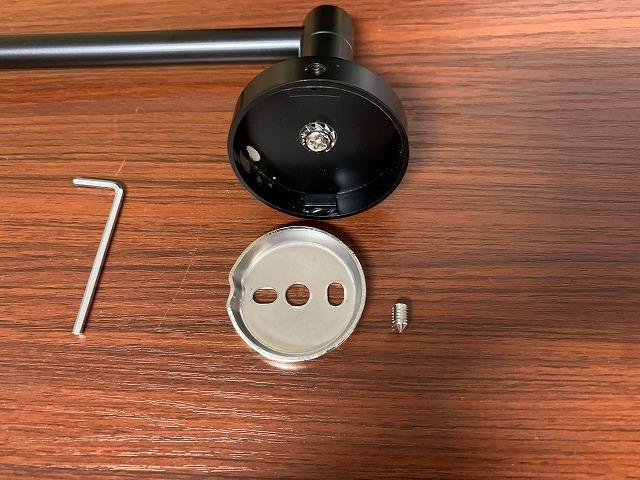
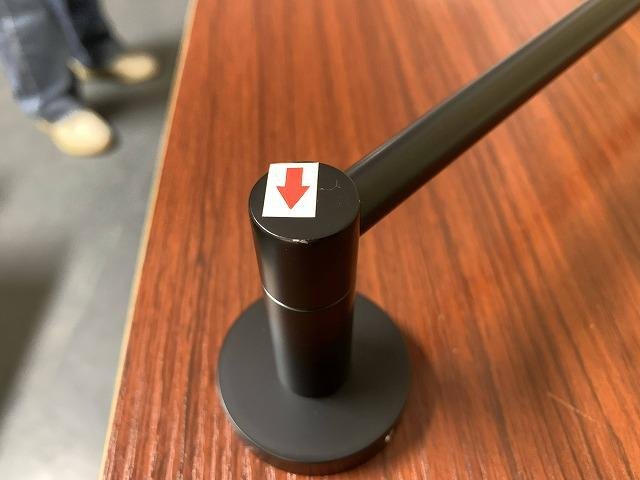
With the round cover in place, the connection is hidden. The inspection photos show the plate removed, the small retaining screw beside it and the hex key used at the base. The installation check recorded that the bases sat flush against the test surface. For a hotel order, give the contractor this view before installation so they can compare the fixing detail with the actual wall construction.
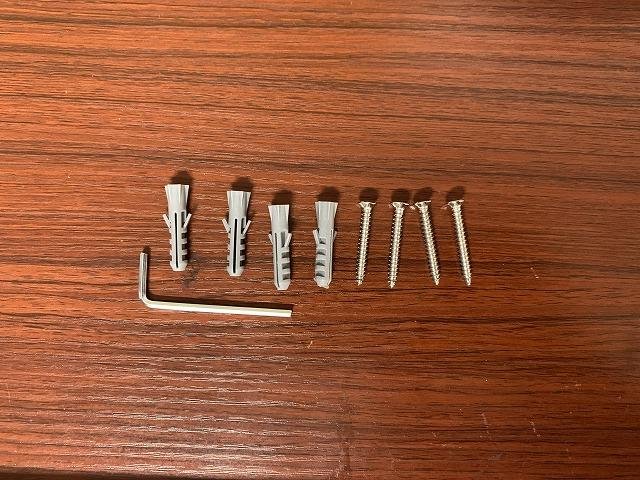
The loose kit was laid out separately. Four screws, four plugs and a hex key are easy to count on a bench. Once they are inside an opaque box, a photograph of the assembled rail tells the receiving team very little. Agree the kit contents against the installation detail and keep the layout photo with the item reference.
Separate overall dimensions from fixing positions
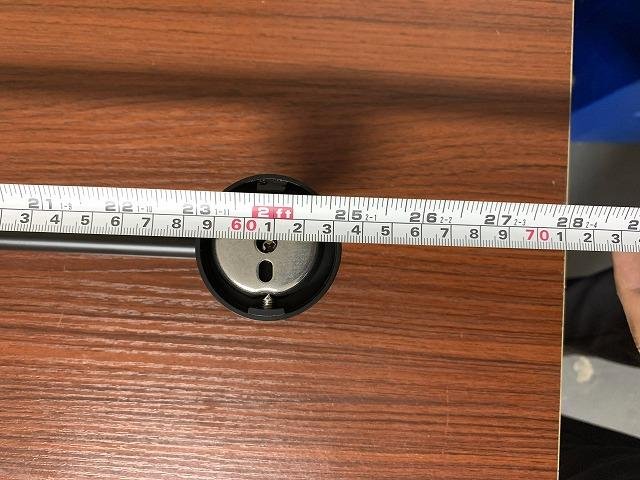
The report lists the product at 600 × 49 × 71 mm and records a black electrophoretic coating. The inspector photographed the rail against a tape. For site setting-out, ask for the fixing centres on the approved drawing as a separate dimension. Using the overall rail length as the drilling distance could leave the installer with holes that the mounting plates cannot use.
Trace the four rejected pieces
Of 80 rails sampled from the 200-piece order, 76 passed the initial inspection. The four flagged pieces showed issues including scratches, impact marks, inclusions and coating defects. All four were replaced. The report records an instruction for the factory to check the remaining rails and a final batch acceptance. For the buyer’s file, request the replacement check and the factory’s remaining-stock check as separate entries, each with its quantity and reviewer.
Check what the carrier will handle and the site will count
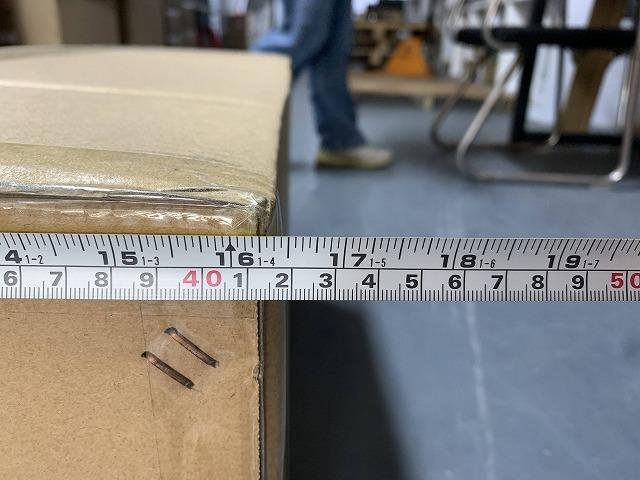
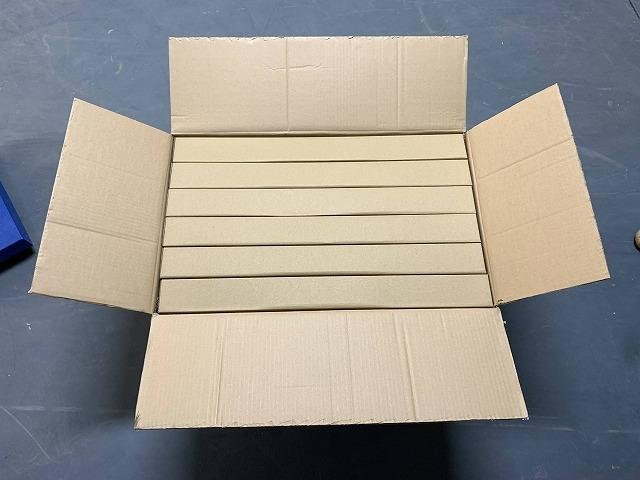
Eight outer cartons held 24 rails each. The ninth held eight. That packing split accounts for all 200 pieces and tells the receiver which carton should feel lighter. The open-carton view shows how the individual boxes sit together. For the part carton, ask for a separate packing photo showing how the free space is filled before sealing, so the inner boxes have less room to shift during handling.
The report lists 0.4 kg gross for one individually packed rail and records a carton gross weight of 10.08 kg. Multiplying the unit weight by 24 gives 9.6 kg. That estimate leaves out the outer packing and cannot supply the actual weight of the eight-piece carton. Weigh the sealed full and part cartons separately and identify both on the freight request.
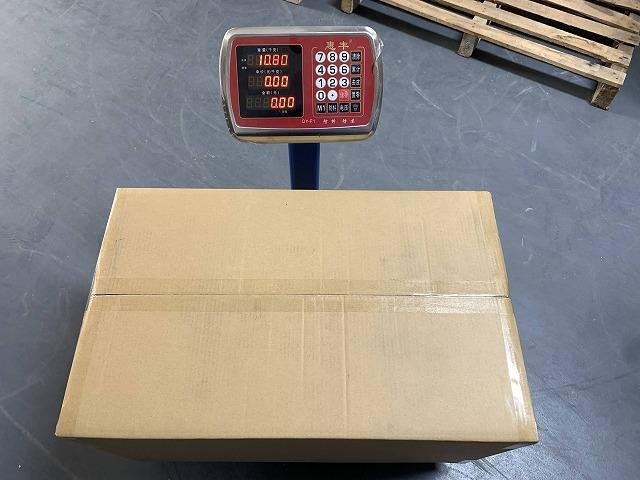
Measure the outside length, width and height after sealing, including any bulge. Give the forwarder the carton count, gross weights and external dimensions together so they can quote on the packed shipment. Keep the same figures on the receiving copy so the site team can investigate a discrepancy before the boxes are distributed across rooms.